Understanding Drainage Surveying and Its Importance
In urban environments, where the infrastructure is often complex and aging, drainage systems play a crucial role in managing water flow and preventing flooding. Accurate and reliable drainage surveying has become increasingly essential for property owners, architects, and civil engineers. As the demand for drainage surveys rises, so does the significance of CCTV technology in providing comprehensive insights. This article delves into the intricacies of drainage surveying, focusing on the expertise of Drainage Surveyors London and their vital role in maintaining and enhancing drainage systems across the UK.
What Is a CCTV Drainage Survey?
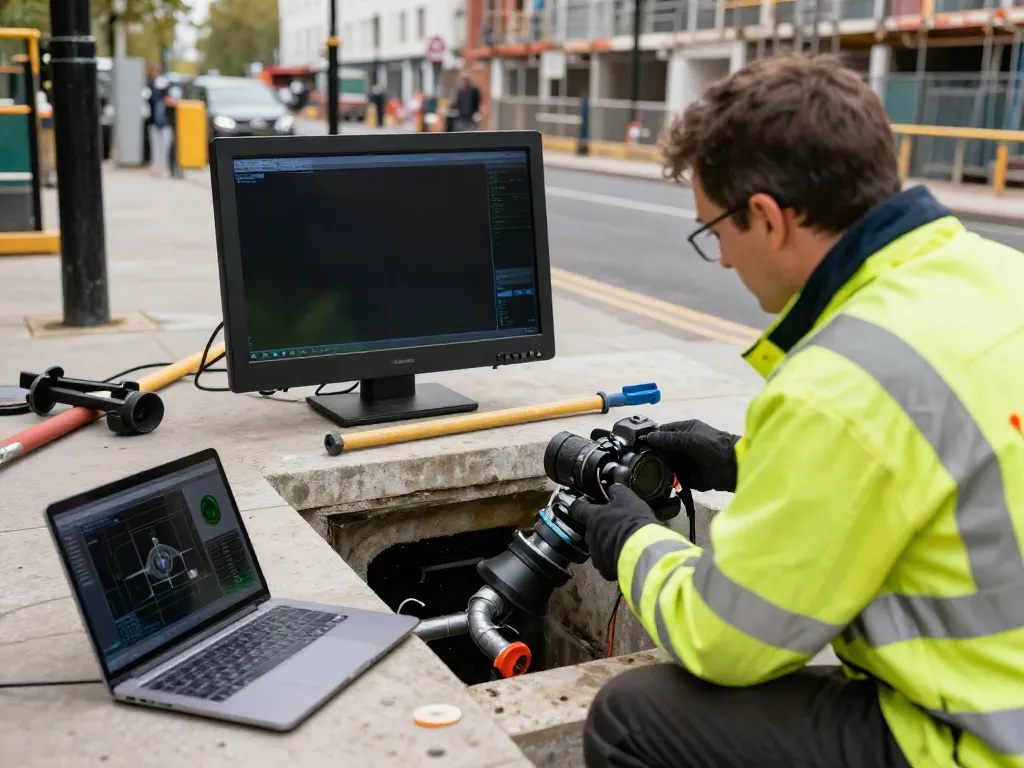
A CCTV drainage survey employs high-resolution cameras to inspect the inside of drainage pipes and systems. This non-invasive method allows drainage surveyors to identify blockages, leaks, and structural defects without the need for excavation. The collected footage provides valuable visual evidence of the condition of the drainage system, enabling surveyors to make informed decisions regarding repairs or preventative maintenance.
The Benefits of Using CCTV for Drainage Inspections
- Non-Invasive: Unlike traditional survey methods, CCTV inspections do not require digging, thus minimizing disruption to the surrounding area.
- Accurate Diagnosis: The clarity of the video footage facilitates precise identification of issues, allowing for targeted repairs.
- Comprehensive Reporting: The surveys often include detailed reports and visual documentation, useful for future reference or regulatory compliance.
- Cost-Effective: By identifying problems early, property owners can avoid potentially expensive repairs that could arise from prolonged issues.
Common Issues Identified in Drainage Systems
During CCTV drainage surveys, several common problems may be identified, including:
- Blockages: Caused by debris, grease buildup, or tree roots.
- Cracks and Fractures: These can lead to leaks and further structural compromise.
- Misalignment: Pipes can become misaligned due to ground movement or subsidence.
- Corrosion: Especially prevalent in older metal pipes, which may require replacement.
How Drainage Surveyors London Operate
Drainage surveyors follow a systematic approach when conducting drainage surveys. This ensures thorough investigations and reliable results, necessitating a clear understanding of the survey process.
Step-by-Step Process of Conducting a Survey
- Initial Assessment: Surveyors review existing plans and records of the drainage system.
- Preparation: Equipment is chosen based on the survey needs, and any potential access issues are addressed.
- CCTV Inspection: The camera is inserted into the drainage system to capture video footage.
- Data Analysis: The footage is analysed to identify any concerns, which are documented in a report.
- Follow-Up Actions: Based on findings, recommendations for repair or maintenance are provided.
Technology Utilised in Modern Drainage Surveys
The technology used in modern drainage surveys has evolved significantly. Today, surveyors often employ advanced tools such as:
- High-Resolution Cameras: Allow for detailed inspections of pipe interiors.
- Laser Profiling: Helps map the internal structure of pipes.
- Software Solutions: Programs like WinCan facilitate comprehensive reporting and data management.
- Mobile Applications: Enable surveyors to document and share findings in real-time.
Professional Qualifications of Drainage Surveyors
Professional drainage surveyors typically hold certifications that affirm their expertise in the field. Key qualifications include:
- Confined Space Certification: Essential for working safely in tight areas.
- Health and Safety Training: Ensures understanding of regulations and safe working practices.
- Technical Qualifications: Such as degrees or diplomas in civil engineering or surveying.
- Experience with Industry Standards: Familiarity with PAS 128 guidelines for utility mapping.
Common Challenges in Drainage Surveying
Despite advancements in technology, drainage surveyors face various challenges that may affect the survey process and outcomes.
Identifying Blockages and Structural Issues
One significant challenge is accurately identifying blockages within complex drainage systems. Misinterpretation of CCTV footage can lead to incorrect conclusions, making proper training and experience crucial for surveyors.
Interpreting CCTV Footage and Reports
Analyzing footage requires expertise to understand what each visual cue indicates. Detailed training in interpreting CCTV images and translating them into actionable data is vital for effective survey outcomes.
Addressing Property Owner Concerns
Property owners often have concerns regarding costs and the potential for disruption. Clear communication and reassurance from drainage surveyors can help mitigate these anxieties and support informed decision-making.
Best Practices for Engaging a Drainage Surveyor
Selecting the right drainage surveyor is critical in ensuring a successful inspection and analysis. Here are some best practices to consider:
Factors to Consider When Hiring Drainage Surveyors London
- Experience: Look for surveyors with a proven track record in your area.
- Accreditations: Ensure they hold the necessary certifications and credentials.
- References: Request testimonials from previous clients to gauge satisfaction.
- Technology Utilisation: Ensure they employ modern techniques and equipment.
Cost Implications and Budgeting for Surveys
The cost of a drainage survey can vary significantly depending on the complexity of the job and the technology used. It's advisable to obtain multiple quotes and understand what is included in each service to ensure clarity and avoid unexpected expenses.
Reading and Understanding Survey Reports
After the survey, clients receive a detailed report summarising findings and recommendations. Understanding this document is crucial; hence, surveyors should be willing to walk clients through the report, explaining any technical terminologies and suggested actions.
Future Trends in Drainage Surveying Technology
As technology continues to evolve, so too do the methodologies employed in drainage surveying. Future trends are expected to enhance efficiency and accuracy dramatically.
The Role of Artificial Intelligence in Assessments
Artificial Intelligence (AI) is set to play a significant role in future drainage surveys. AI can assist in analysing footage and identifying potential issues, improving accuracy and reducing the time taken to assess drainage systems.
Emerging Tools and Equipment for Drainage Surveys
Innovations such as drones equipped with advanced imaging technologies for aerial inspections and robotic systems for in-depth pipe assessments are being developed, further enhancing the capabilities of drainage surveyors.
Predictions for the Industry in 2026
By 2026, it is anticipated that drainage surveying will incorporate even more sophisticated technologies, potentially including real-time data analytics and AI-driven reporting systems, making it easier for clients to understand their drainage conditions.
What Is a Drain Survey?
A drain survey is a comprehensive examination of a drainage system, utilising CCTV technology to identify any potential issues. It serves as a preventative measure and is crucial for property buyers, developers, and maintenance teams.
How Much Does a Drain Survey Typically Cost in London?
The cost of a drain survey in London can range from £150 to £300, depending on factors such as property size and the complexity of the drainage system. Understanding cost implications is essential for effective budget management.
How Long Does a Drain Survey Take?
Most standard drain surveys can be completed within a few hours, but larger or more complicated systems may take longer. It is advisable to consult with the surveyor for a more accurate time estimate based on specific circumstances.